
The wish program offers matching grants to help eligible first-time homebuyers cover down payments and closing costs. Administered by the Federal Home Loan Bank of San Francisco, this initiative supports low- to moderate-income households in achieving homeownership. Participants receive a 4-to-1 match on their own contribution, with funds available through participating member institutions. Buyers must meet income limits based on area median income and complete homebuyer education. The program pairs well with other assistance options and requires owners to stay in the home for a retention period. Funds allocate annually and go on a first-come, first-served basis.
Quick Answer
The wish program provides 4-to-1 matching grants up to the current maximum for qualified first-time homebuyers. Eligible individuals contribute personal funds toward the purchase, and the program matches them to assist with down payments and closing costs. Requirements include income at or below 80% of the area median and completion of counseling.
Table of Contents
- What Is a Wish Program and Who Started It
- Who Qualifies for a Wish
- Types of Wishes Kids Ask For
- Why Wish Programs Matter
- Wish Programs for Foster & Vulnerable Children
- Community Wish Programs vs National Ones
- Special Partnerships & Themed Wish Programs
- How Wish Requests Are Made
- What Happens After a Wish Is Granted
- Typical Benefits Families Experience
- Challenges & Limitations of Wish Programs
- How to Support or Volunteer for a Wish Program
- Stories That Show Wish Impact (Overview)
- How Wish Programs Adapt to Different Needs
- Tips for Choosing the Right Wish Program
- Conclusion
What Is a Wish Program and Who Started It
Wish programs aim to fulfill heartfelt dreams for children and youth in need, helping them experience joy, comfort, and hope at difficult times. The idea gained widespread structure with Make‑A‑Wish Foundation (founded in 1980), which began granting wishes to children diagnosed with critical illnesses.Wikipedia+1 Many wish programs today — from local nonprofits to global branches — follow similar missions.
Who Qualifies for a Wish
Eligibility typically depends on medical or social need. For instance, Make‑A‑Wish serves children diagnosed with serious or life‑threatening illnesses.Make-A-Wish+1 Some programs extend help to children in foster care, or from disadvantaged backgrounds, even if they do not have critical illness.
Types of Wishes Kids Ask For
Wishes vary widely: • Having a desired item (toy, laptop, adaptive bike) • Experiencing a trip or event (theme‑park visits, vacations) • Meeting a hero or celebrity • Trying out a dream role or activity (chef for a day, special performance) Programs often explore wish recipients’ deepest hopes to create memorable, meaningful experiences.Make-A-Wish Pakistan+2New Hope For Kids+2
Why Wish Programs Matter
Wishes do more than give a child what they want. Studies show wish‑granting brings positive emotions for children and their families, reducing stress and renewing hope.PMC+1 For many families facing hardship, a granted wish becomes a bright moment that strengthens their emotional resilience and sense of community.
Wish Programs for Foster & Vulnerable Children
Not all wish programs focus solely on medical illness. Some charities like One Simple Wish grant wishes to youth impacted by foster care or economic hardship — offering essentials, fun items, or experiences to those who may otherwise lack such opportunities.Wikipedia+1 Similarly, other community‑centered initiatives extend lifelines to disadvantaged families.Grant A Wish, Inc+1
Community Wish Programs vs National Ones
Large national organizations operate through many chapters to reach broad populations, offering standardized support.Wikipedia+1 In contrast, community‑based programs often focus on local needs, enabling more flexible, personalized responses — sometimes covering families that national programs may not prioritize due to eligibility criteria.
Special Partnerships & Themed Wish Programs
Some wish efforts happen through collaborations. For example, the Disney Wish Program partners with approved nonprofit wish‑granting organizations to make a child’s dream visit to a resort come true.Disney Experiences+1 These partnerships broaden the range of experiences available to children.
How Wish Requests Are Made
Typically, a child’s parent, guardian, or medical professional refers them to a wish program. Once eligibility is confirmed, wish coordinators meet with the family to discover a meaningful wish and begin planning its fulfillment.Make-A-Wish+1
What Happens After a Wish Is Granted
When a wish is granted, the child — and often their family — experience joy, relief, and a sense of normalcy. The wish might involve a gift, an outing, or a special event designed to create lasting positive memories and emotional uplift.
Typical Benefits Families Experience
Children often report increased happiness, reduced stress, and improved emotional well‑being.PMC+1 Families frequently describe wishes as treasured memories and turning‑points during challenging periods.
Challenges & Limitations of Wish Programs
Despite their good intentions, wish programs may face limitations: not every child who applies is eligible (e.g. medical criteria or age restrictions), wish fulfilment may take time, and resources can be limited. This reality underscores why local, community‑driven programs remain important.
How to Support or Volunteer for a Wish Program
You can contribute by donating, volunteering time, or spreading awareness. Whether through a national organization or a smaller community charity, every bit of support helps bring a wish — and hope — to a child in need.
Stories That Show Wish Impact (Overview)
Many wish‑granting organizations share stories: children whose wish for an adaptive bike gave them mobility, kids meeting their idols, or a medically challenged child experiencing a carefree day at a theme park. These stories remind us that sometimes, hope and kindness can change lives.
How Wish Programs Adapt to Different Needs
Different programs tailor wishes to each child’s background — medical condition, age, family situation, or social circumstance. For example, a wish for a foster child might be a laptop for school, while for a child in treatment it might be a meaningful family trip or experience.
Tips for Choosing the Right Wish Program
Choose based on need: medical condition, foster care status, or hardship. Consider program scope — national organizations for illness‑related wishes, community nonprofits for foster or social‑need cases. Look for responsiveness, transparency, and a track record of fulfilled wishes.
Conclusion
The wish program helps many low- to moderate-income families secure down payment assistance and move into their own homes. It promotes long-term stability through homeownership while working alongside standard mortgages. Review eligibility with a participating lender soon. Contact a member institution today.
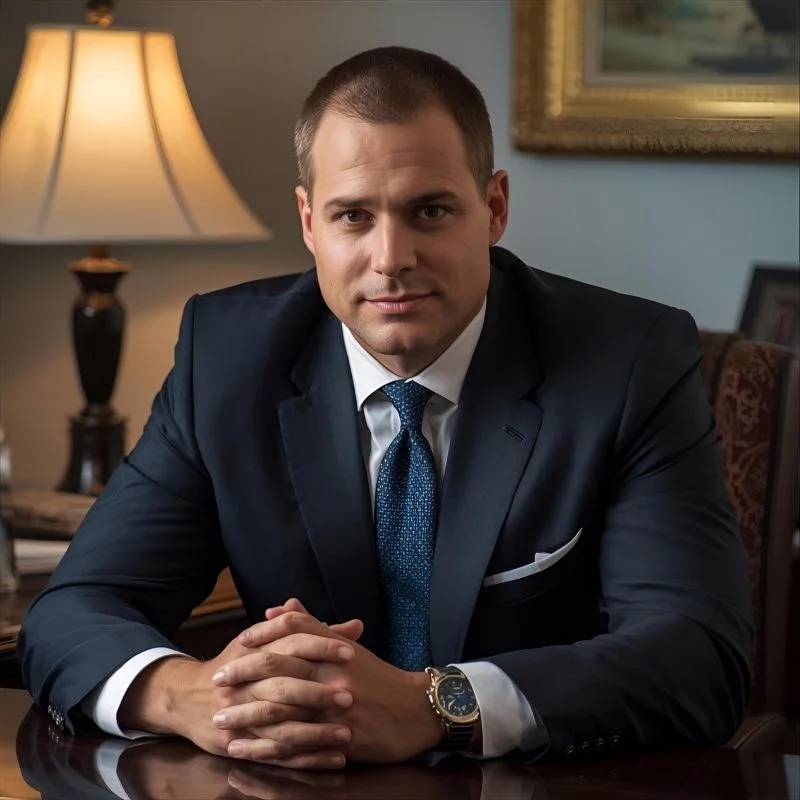
Jason Hale is an experienced American writer focused on relationship-based wishes, life milestones, and modern greeting styles. With a decade in digital content and human-connection writing, he creates warm, thoughtful, and culturally aware messages for couples, families, and friends. Jason’s content blends clarity with emotion, helping readers express love, gratitude, celebration, and comfort with confidence.